Hinode (Solar-B)
Overview
Hinode (Solar-B) is an international mission, led by the Japan Aerospace Exploration Agency (JAXA), to study the Sun. Hinode explores the magnetic fields of the Sun, from tracking their strength and direction on the solar surface, or photosphere, to decoding their role in heating and powering eruptions in the Sun’s outer atmosphere, or corona, to driving the constant outflow from the Sun, the solar wind.
The mission launched on Sept. 23, 2006, from Uchinoura Space Center in Japan aboard a JAXA M-V rocket.
Learn more: https://science.nasa.gov/mission/hinode/
Hinode Animations & Produced Content
- ID: 12377 Produced Video
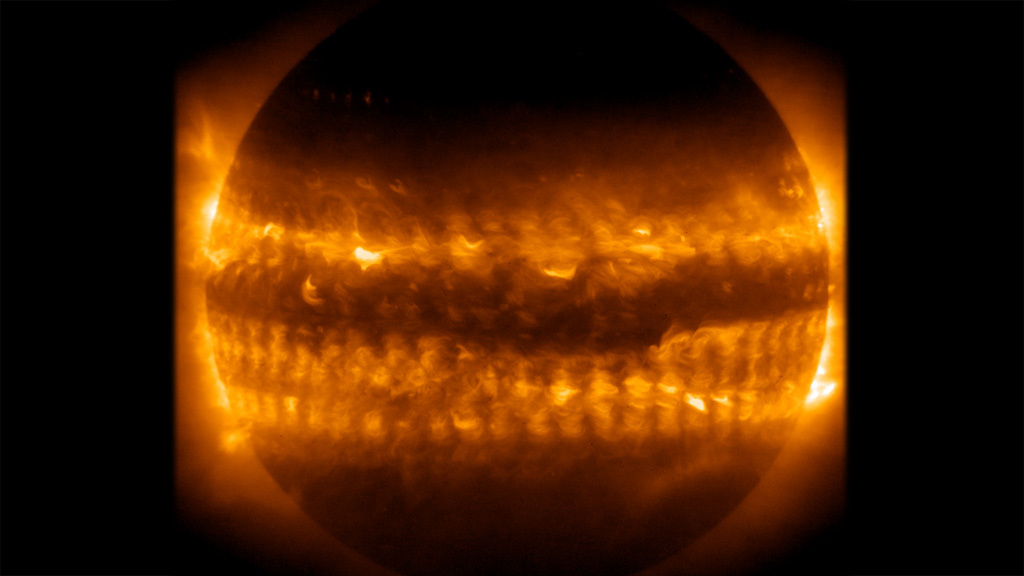
Solar Surveyor
Go to this pageThe Hinode Solar Observatory celebrates 10 years in space. || cz-1024.jpg (1024x576) [120.8 KB] || cz-1280.jpg (1280x720) [161.4 KB] || cz-1024_print.jpg (1024x576) [127.4 KB] || cz-1024_searchweb.png (320x180) [49.2 KB] || cz-1024_web.png (320x180) [49.2 KB] || cz-1024_thm.png (80x40) [4.2 KB] ||
- ID: 20156 Animation
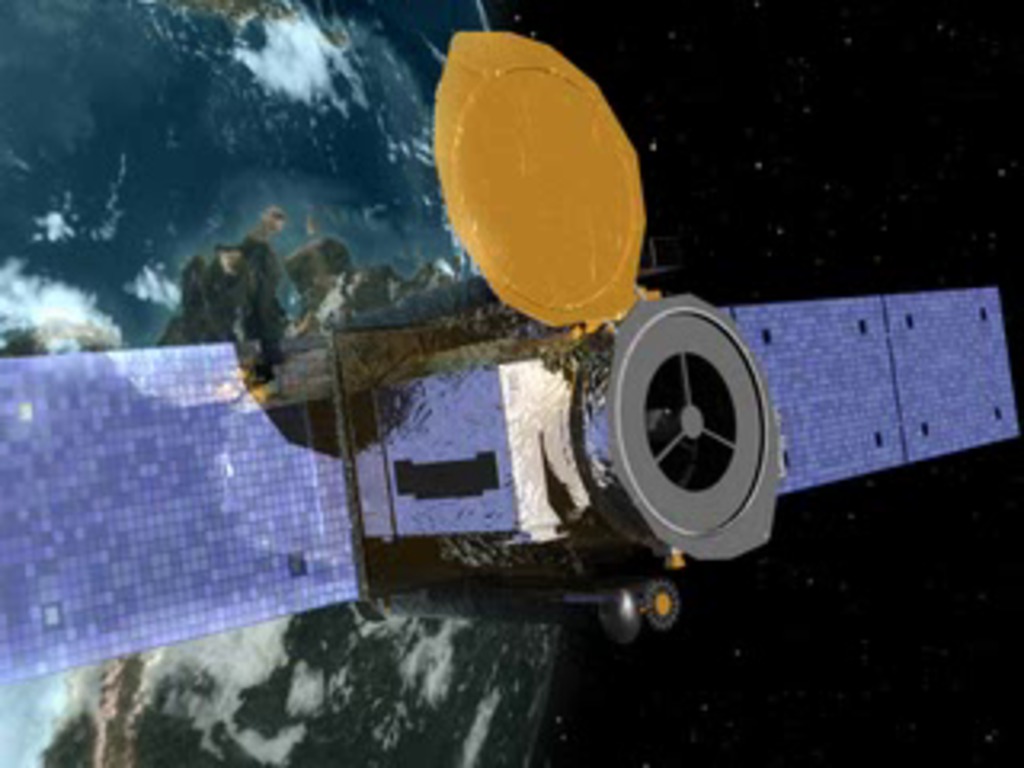
Solar - B (Hinode) Spacecraft
Go to this pageSolar - B Spacecraft goes into orbit to begin looking at the sun. It is specifically looking at solar magnetic fields and the origins of the solar wind. ||
Hinode Solar Close Ups
- ID: 12604
 Produced Video
 - ID: 11797
 Produced Video
 - ID: 30726
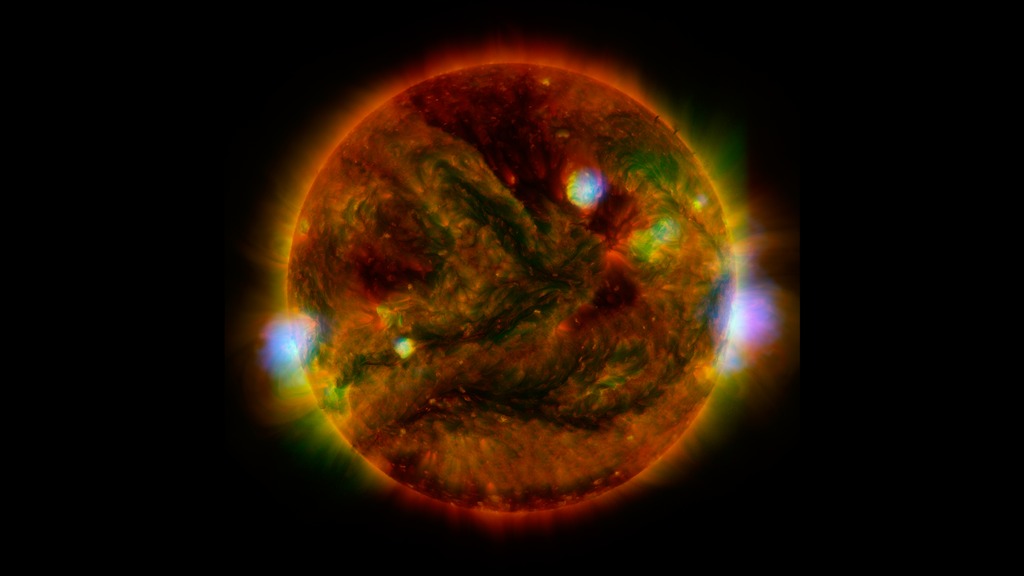 Hyperwall Visual
 - ID: 11522
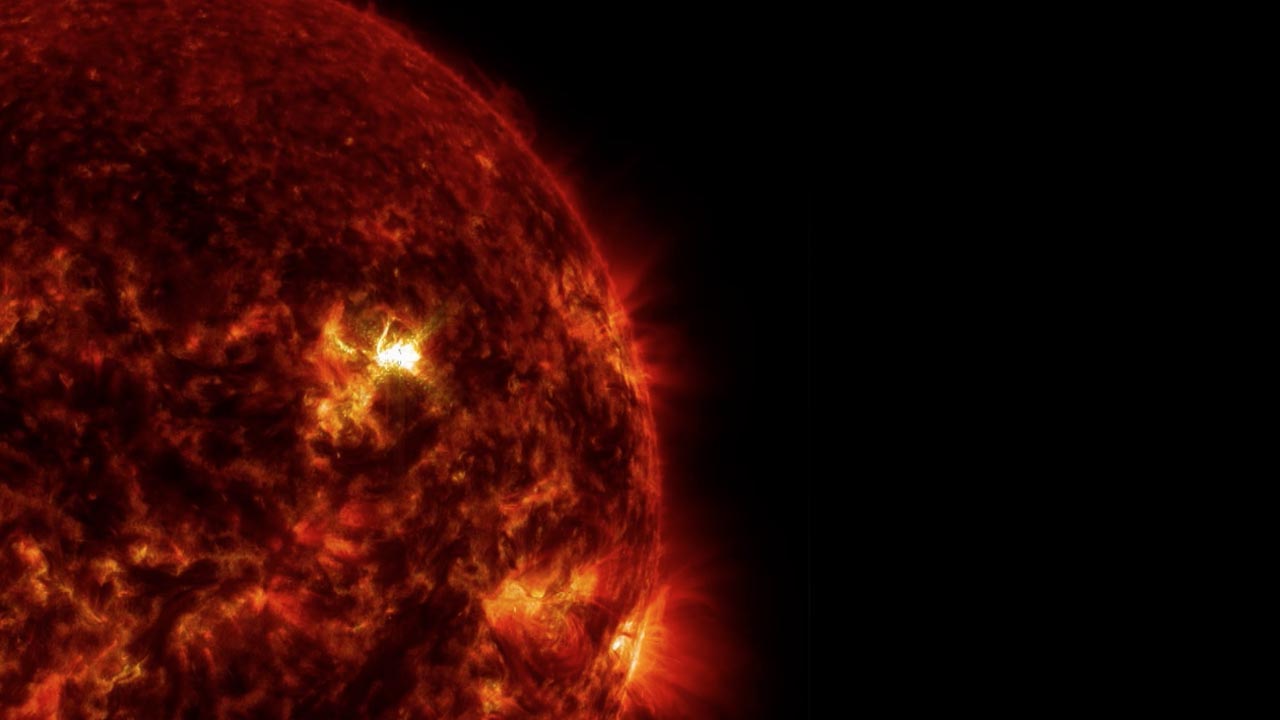 Produced Video
 - ID: 4146
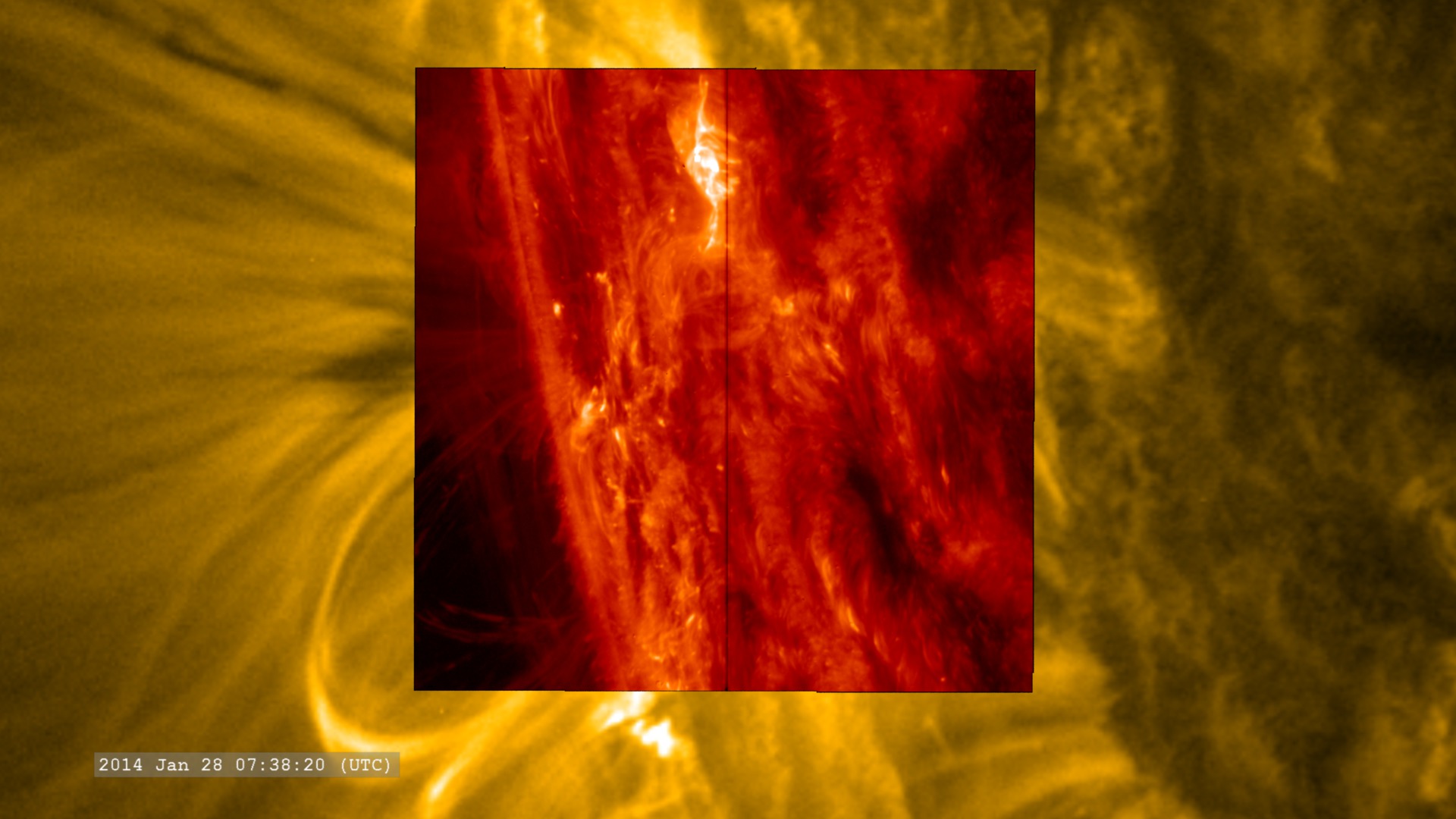 Visualization
 - ID: 11351
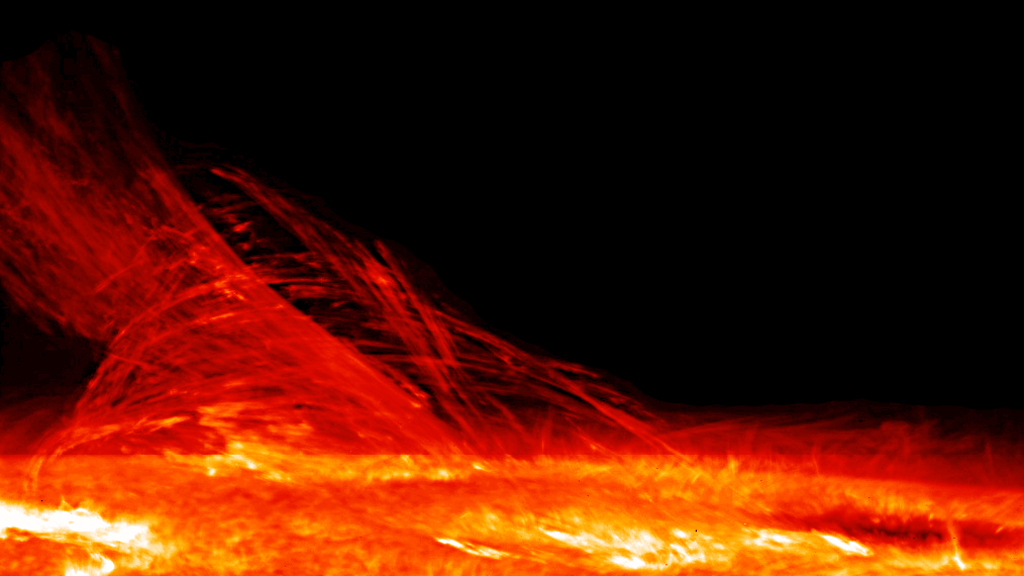 Produced Video
 - ID: 4061
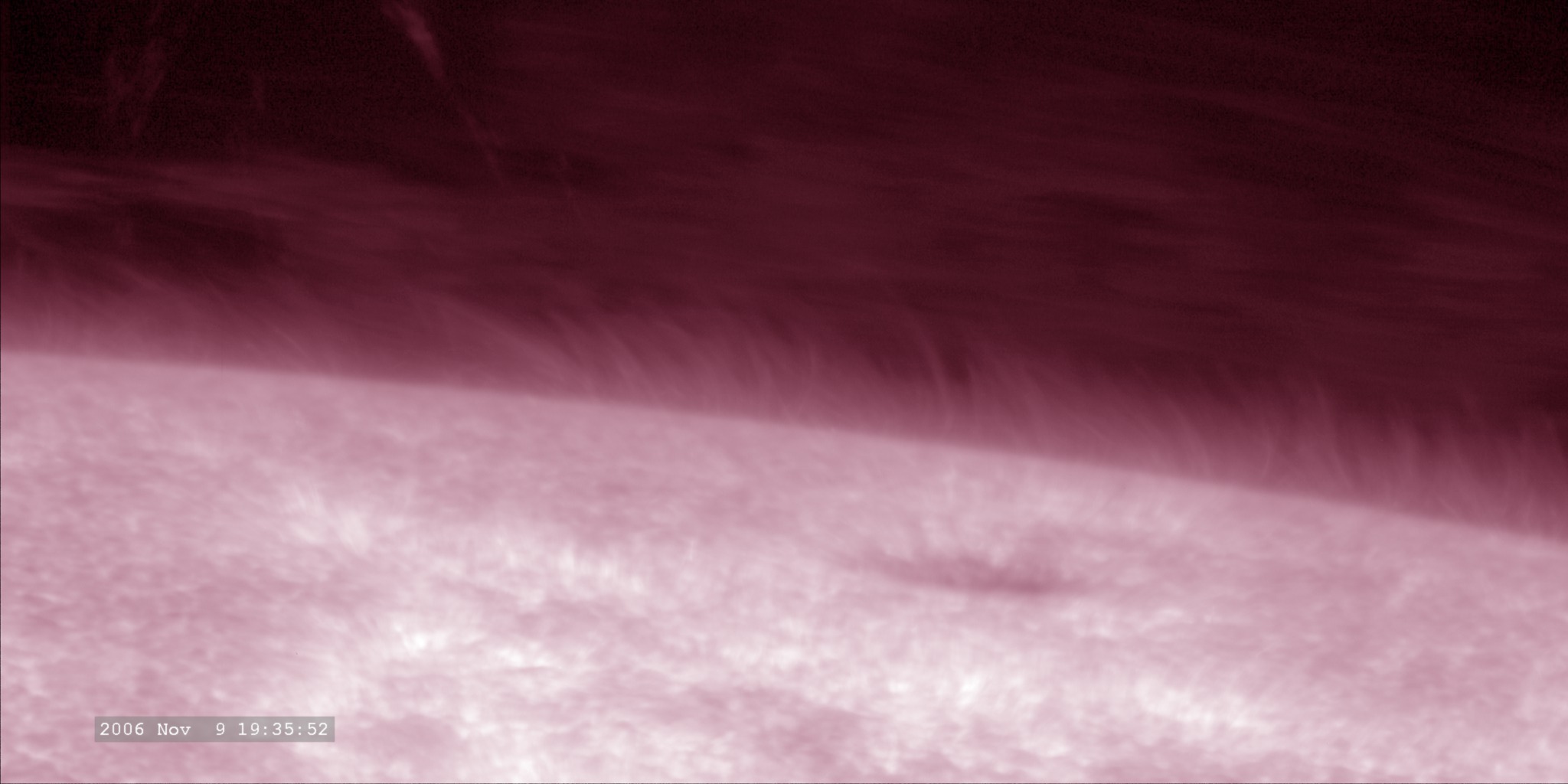 Visualization
 - ID: 3898
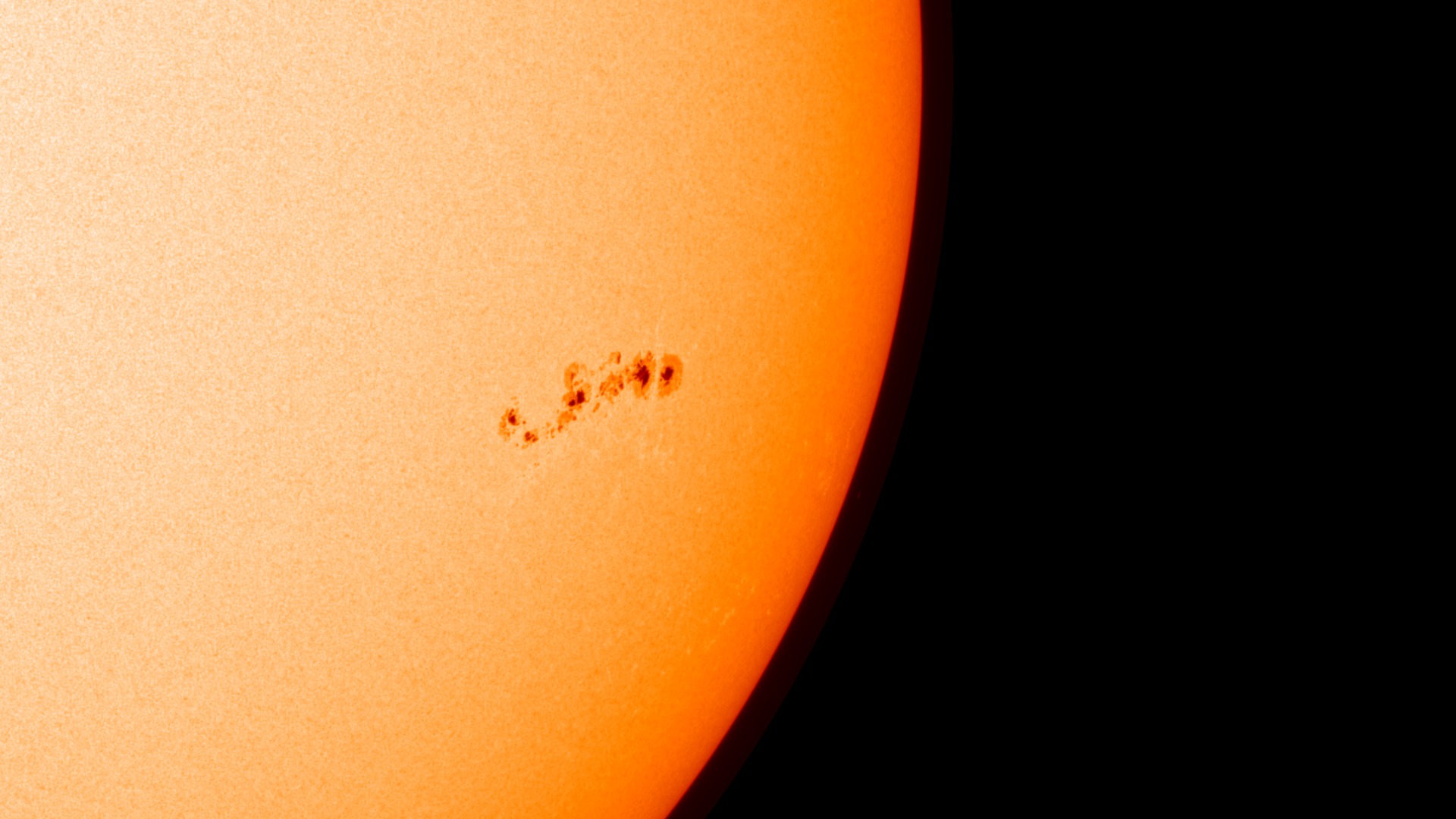 Visualization
 - ID: 10895
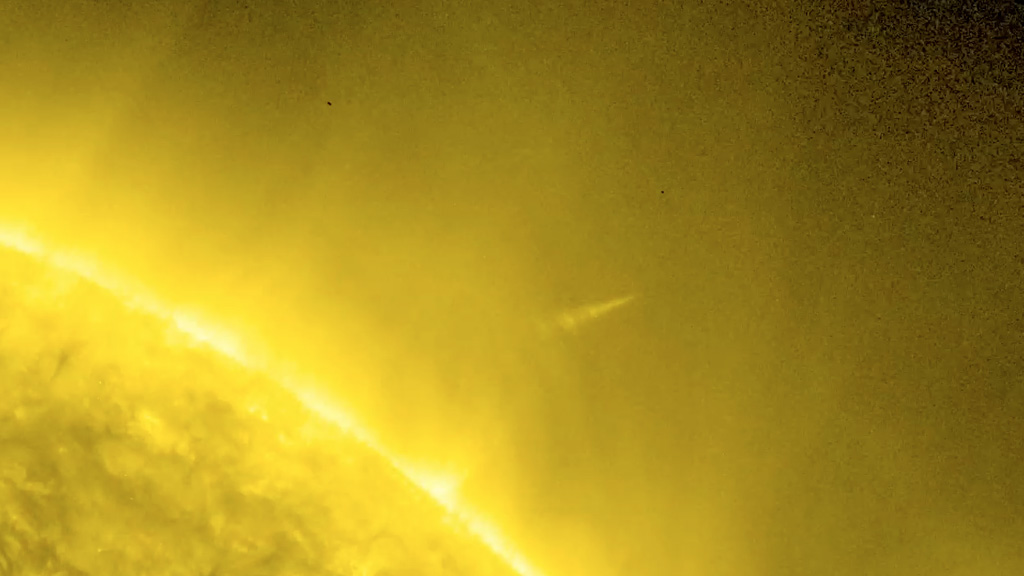 Produced Video
 - ID: 3755
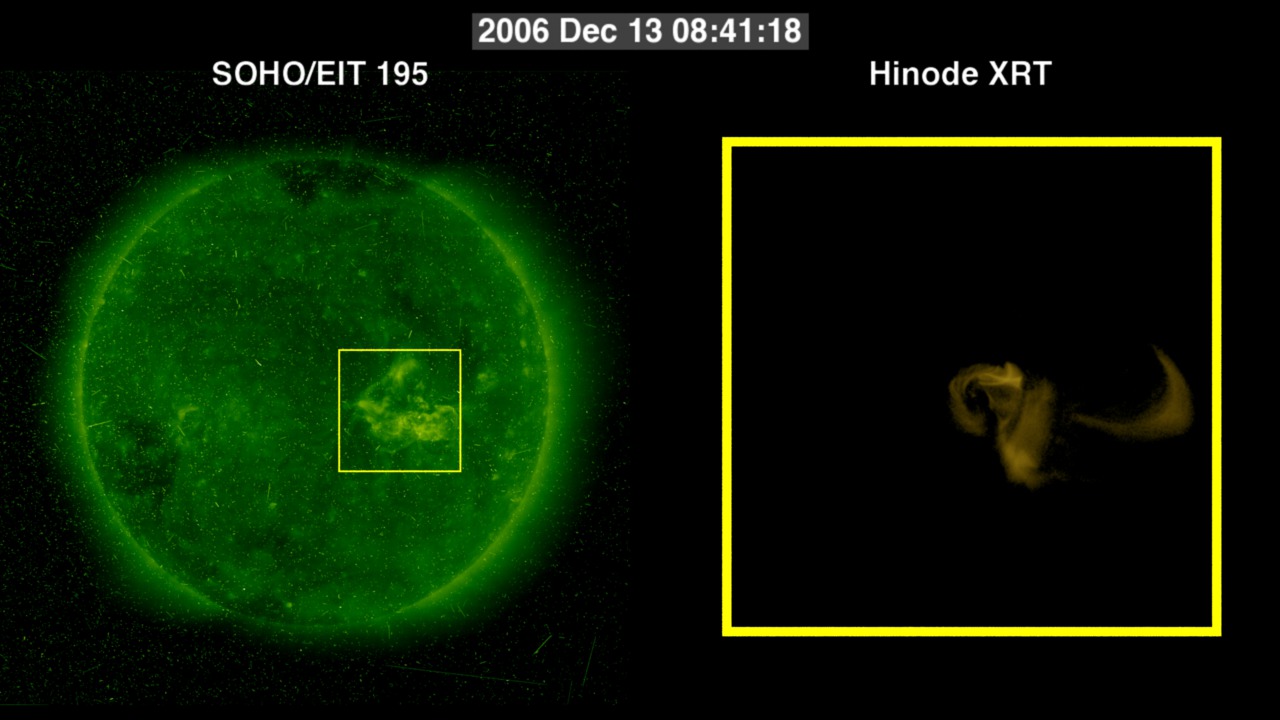 Visualization
 - ID: 3412
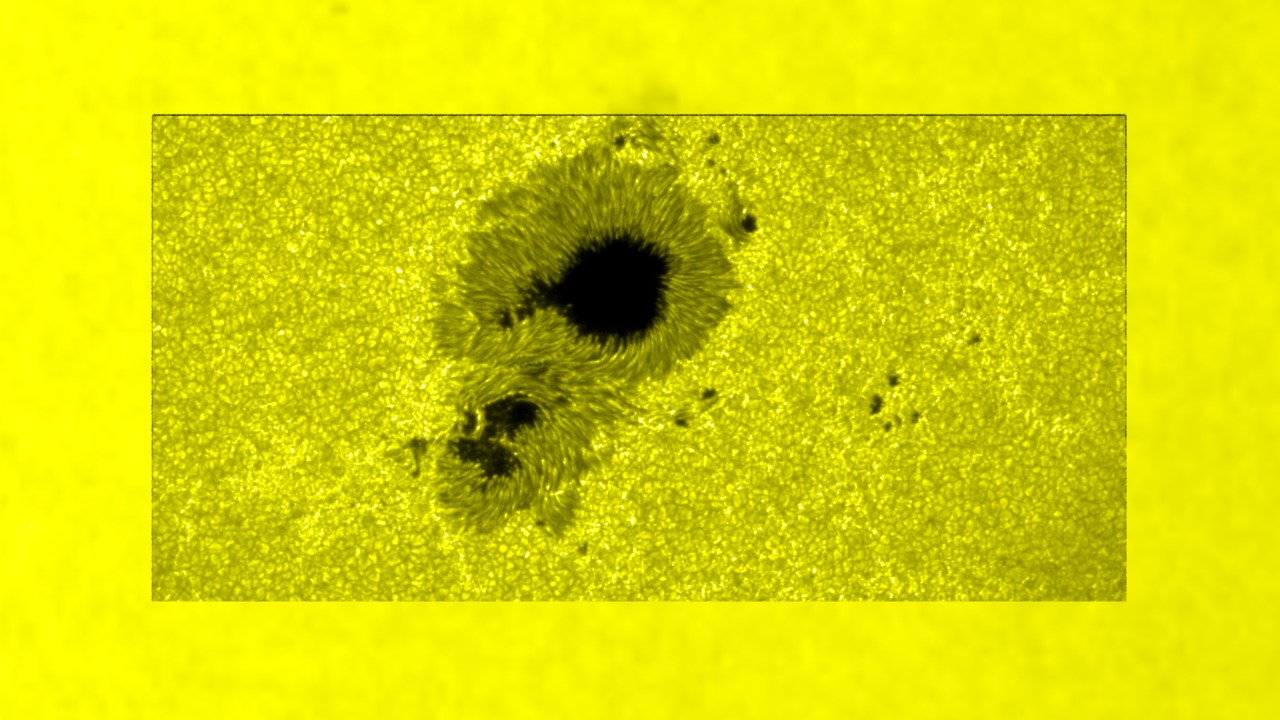 Visualization
Hinode Views a Total Solar Eclipse
- ID: 14325 Produced Video
![Credit: NASA's Goddard Space Flight CenterMusic: "Insect Village" by Anthony Donje [PRS] from Universal Production MusicComplete transcript available.](/vis/a010000/a014300/a014325/14325_AnnularEclipseExplainer_FB.00120_print.jpg)
What Is an Annular Eclipse?
Go to this pageOn Oct. 14, 2023, an annular solar eclipse will cross North, Central, and South America. Visible in parts of the United States, Mexico, and many countries in South and Central America, millions of people in the Western Hemisphere can experience this eclipse. But what is an annular eclipse? Why does it happen? And why does it create a “ring of fire” in the sky? ||
- ID: 30893 Hyperwall Visual
2017 Eclipse Image Collection
Go to this pageThis image is a composite photograph that shows the progression of the total solar eclipse over Madras, Oregon.http://earthobservatory.nasa.gov/NaturalHazards/view.php?id=90796 || eclipsecomposite_pho_lrg.jpg (2231x1487) [541.4 KB] || eclipsecomposite_pho_lrg_searchweb.png (320x180) [47.2 KB] || eclipsecomposite_pho_lrg_thm.png (80x40) [3.3 KB] || 2017-eclipse-images-7.hwshow [293 bytes] ||
- ID: 12704 Produced Video
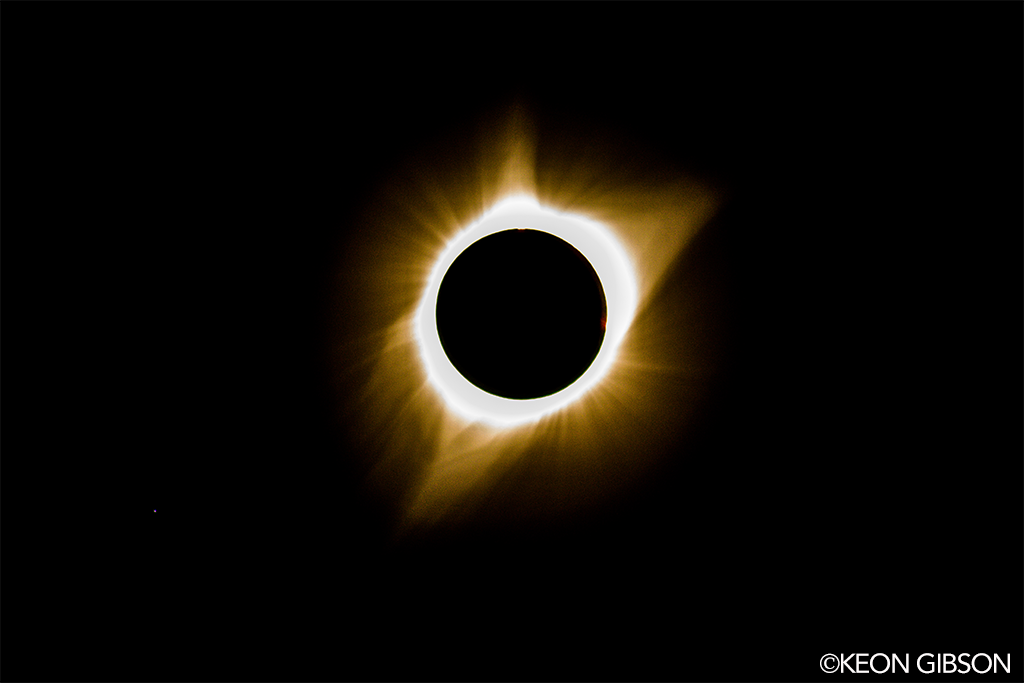
NASA Eclipse Imagery
Go to this pageAs millions of people across the United States experienced a total eclipse as the umbra, or Moon’s shadow passed over them, only six people witnessed the umbra from space. Viewing the eclipse from orbit were NASA’s Randy Bresnik, Jack Fischer and Peggy Whitson, ESA (European Space Agency’s) Paolo Nespoli, and Roscosmos’ Commander Fyodor Yurchikhin and Sergey Ryazanskiy. The space station crossed the path of the eclipse three times as it orbited above the continental United States at an altitude of 250 miles. Credit: NASA || iss052e056122.jpg (4928x3280) [844.0 KB] ||
- ID: 12698 Produced Video
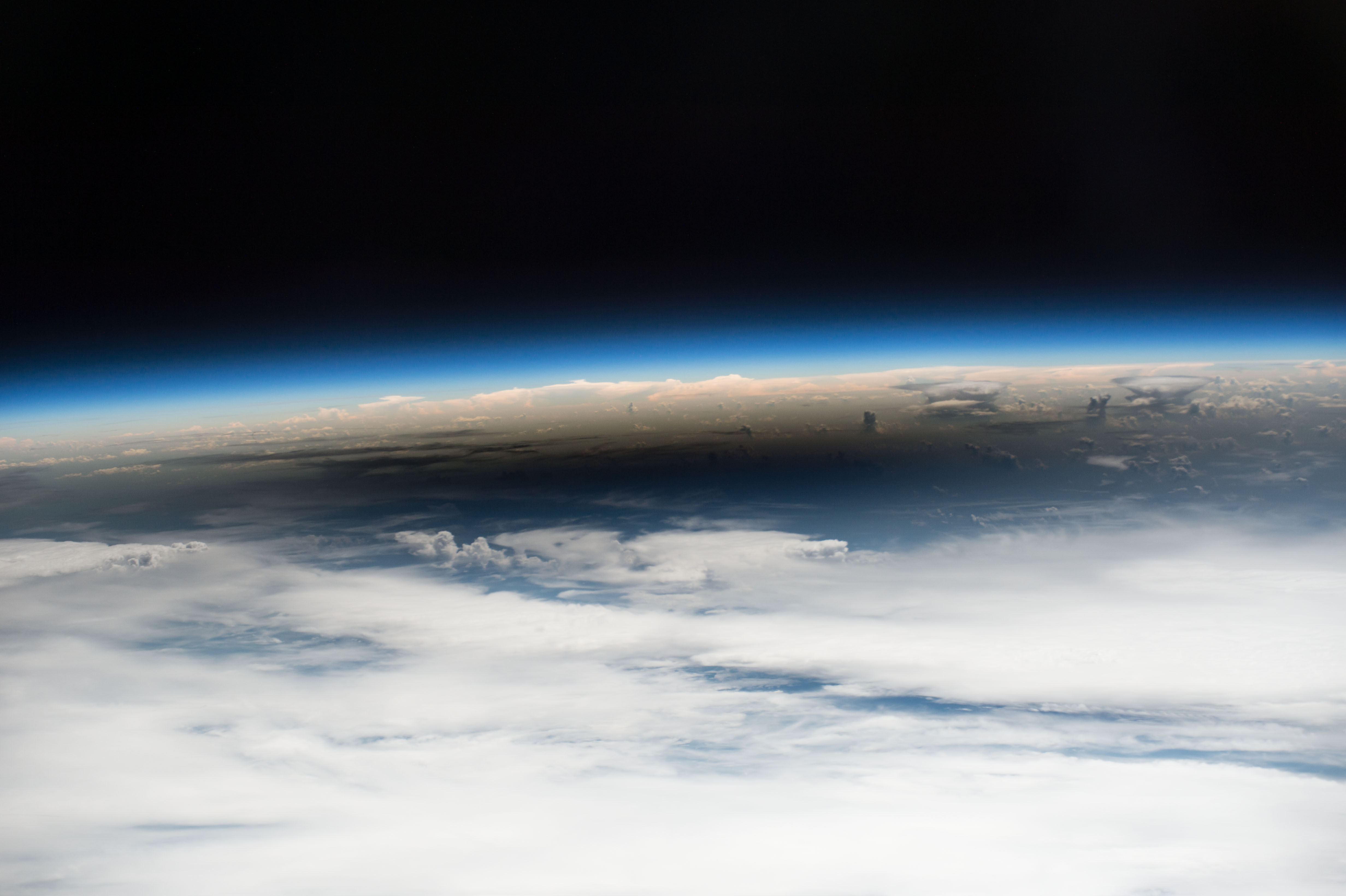
What Spacecraft Saw During the 2017 Solar Eclipse
Go to this pageOn Aug. 21, 2017, a solar eclipse passed over North America. People throughout the continent experienced a partial solar eclipse, and a total solar eclipse passed over a narrow swath of land stretching from Oregon to South Carolina, called the path of totality. NASA and its partner’s satellites had a unique vantage point to watch the eclipse. Several Sun-watching satellites were in a position to see the Moon cross in front of the Sun, while many Earth-observing satellites – and NASA’s Lunar Reconnaissance Orbiter, which typically images the Moon’s landscape – captured images of the Moon’s shadow on Earth’s surface. See more and download content at https://go.nasa.gov/2x7b8kf ||
- ID: 11128 Produced Video
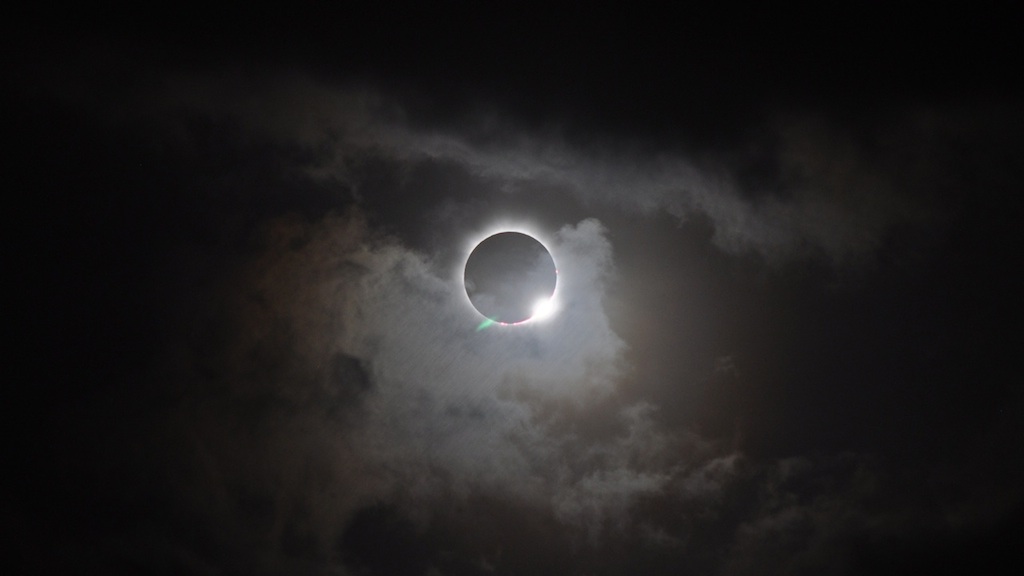
Blackout
Go to this pageObservers throughout a narrow corridor across the South Pacific and northern Australia were treated to a total solar eclipse on November 13, 2012. Seen from Earth, an eclipse offers a chance to observe the dim structures around the edges of the sun that make up its atmosphere, known as the corona. The bright light of the sun typically obscures any Earth-bound view of the corona, which scientists study because it is the origin of solar flares and expulsions of solar material called coronal mass ejections. No NASA spacecraft was aligned to observe the eclipse at the same time as it was seen from Earth, but the JAXA/NASA Hinode mission did observe two eclipses that day. The first eclipse was total. During the second, the moon skimmed the left limb of the sun for a partial eclipse. The videos show the two eclipses observed by Hinode and a view of the eclipse seen from the ground in Australia. ||
- ID: 11133 Produced Video
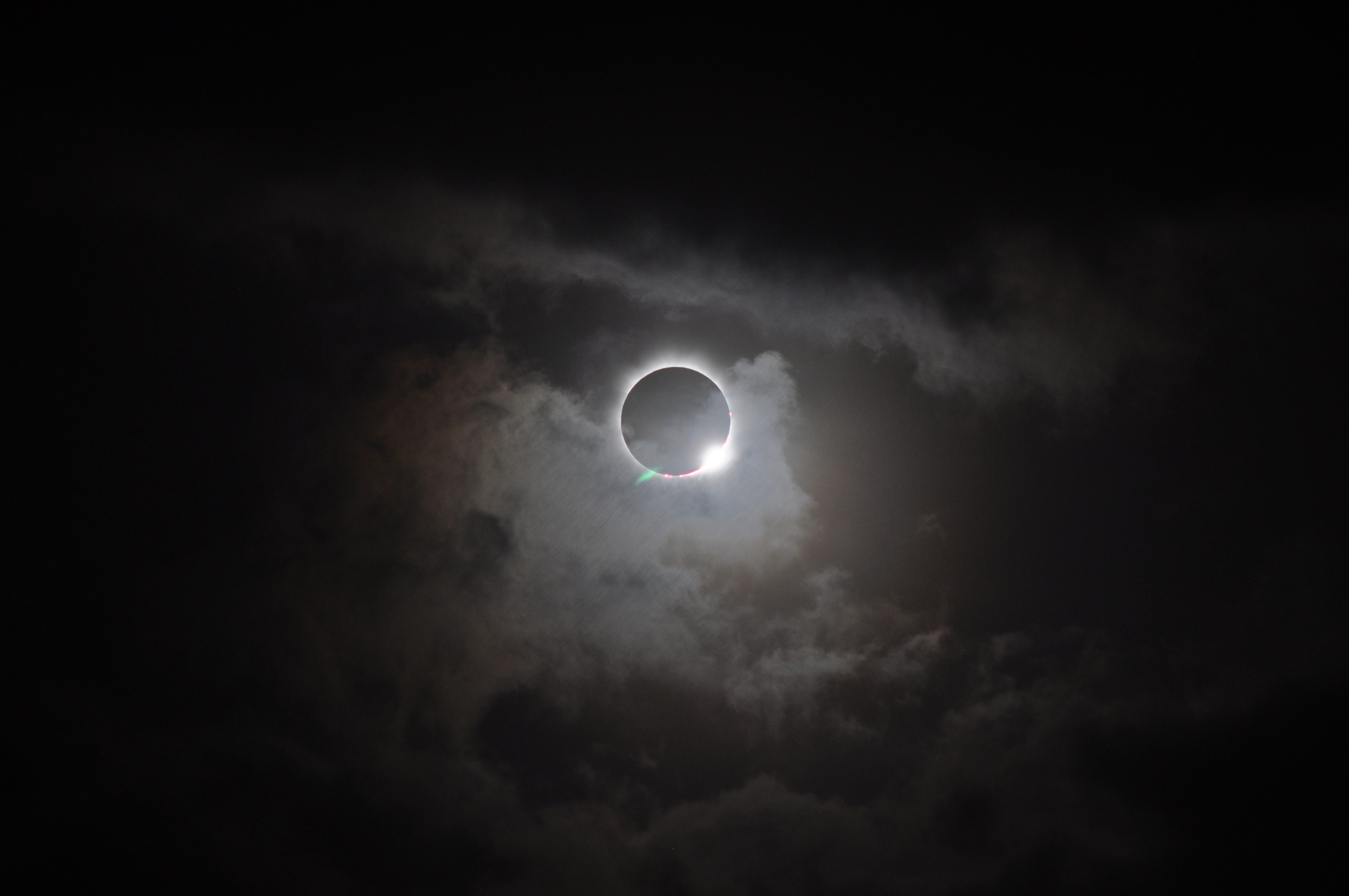
Total Solar Eclipse Viewed from Australia
Go to this pageOn Nov. 13, 2012, a narrow corridor in the southern hemisphere experienced a total solar eclipse. The corridor lay mostly over the ocean but also cut across the northern tip of Australia where both professional and amateur astronomers gathered to watch. During a solar eclipse one can see — using appropriate instruments to protect the eyes since you should never look at the sun directly — dim structures around the edges of the sun. These structures are the sun's atmosphere, the corona, which extends beyond the more easily seen surface, known as the photosphere. In modern times, we know that the corona is constantly on the move. Made of electrified gas, called plasma, the solar material dances in response to huge magnetic fields on the sun. Structural changes in these magnetic fields can also give rise to giant explosions of radiation called solar flares, or expulsions of solar material called coronal mass ejections, CMEs — which make the corona a particularly interesting area to study.Hinode is a joint JAXA/NASA mission to study the connections of the Sun's surface magnetism, primarily in and around sunspots. The orbit of Hinode resulted in two eclipses this time, each with a somewhat different perspective. The first eclipse was total. During the second, the moon skimmed the left limb of the sun for a partial eclipse. ||
- ID: 30359 Hyperwall Visual
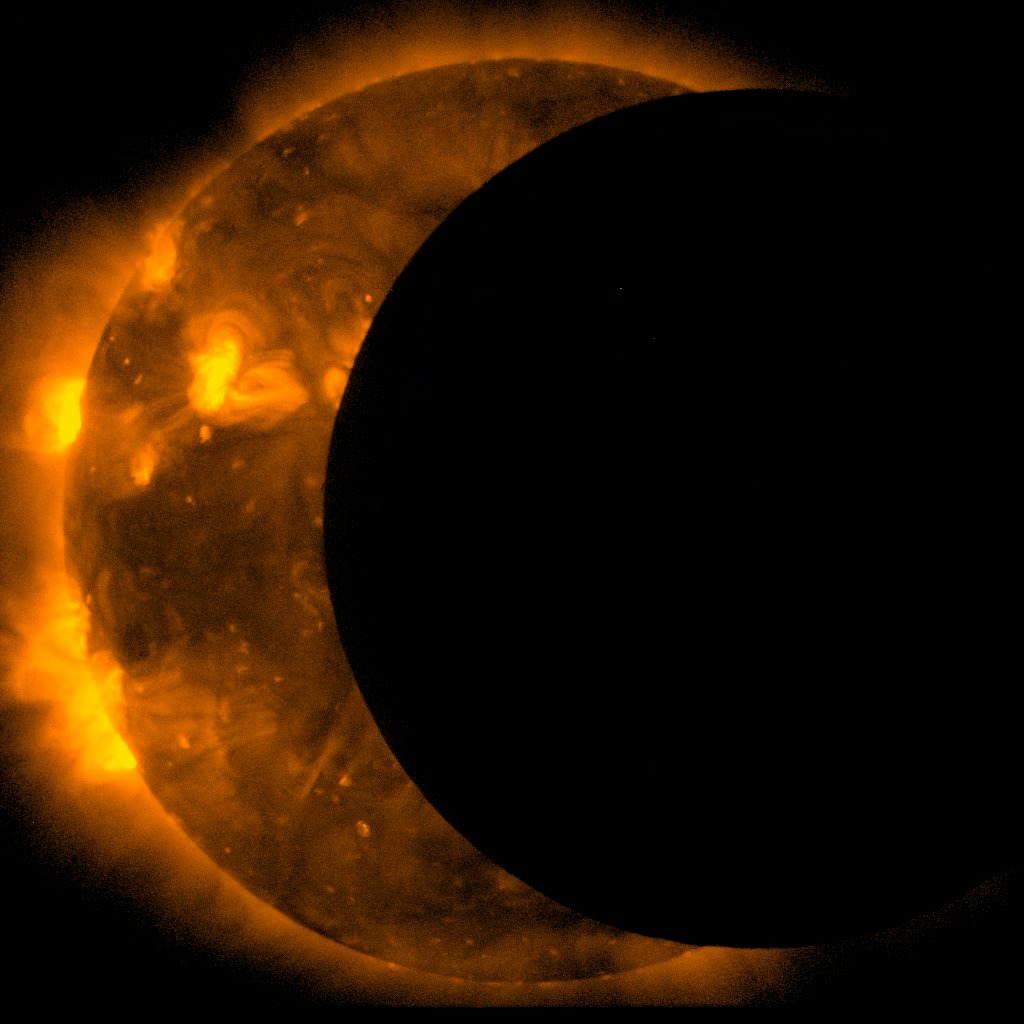
Hinode Witnesses Solar Eclipse
Go to this pageSpectacular images from the Hinode spacecraft show the solar eclipse, which darkened the sky in parts of the Western United States and Southeast Asia on May 20-21, 2012.Hinode is in a low-Earth (630km altitude - about 400 miles) sun-synchronous polar orbit that permits nearly continuous observations of the sun. So, in effect, Hinode has the same perspective as Earth-bound observers since the angle subtended is very small between the Earth and Hinode relative to the moon. However, Hinode's unique orbit has the spacecraft sweaping through the area occulted by the Sun once per orbit, and did so 4 separate times.An annular eclipse occurs when the moon, slightly more distant from Earth than on average, moves directly between Earth and the Sun, thus appearing slightly smaller to observers' eyes; the effect is a bright ring around the silhouette of the moon. ||