Listening to the Amazon: Tracking Deforestation Through Sound
Complete transcript available.
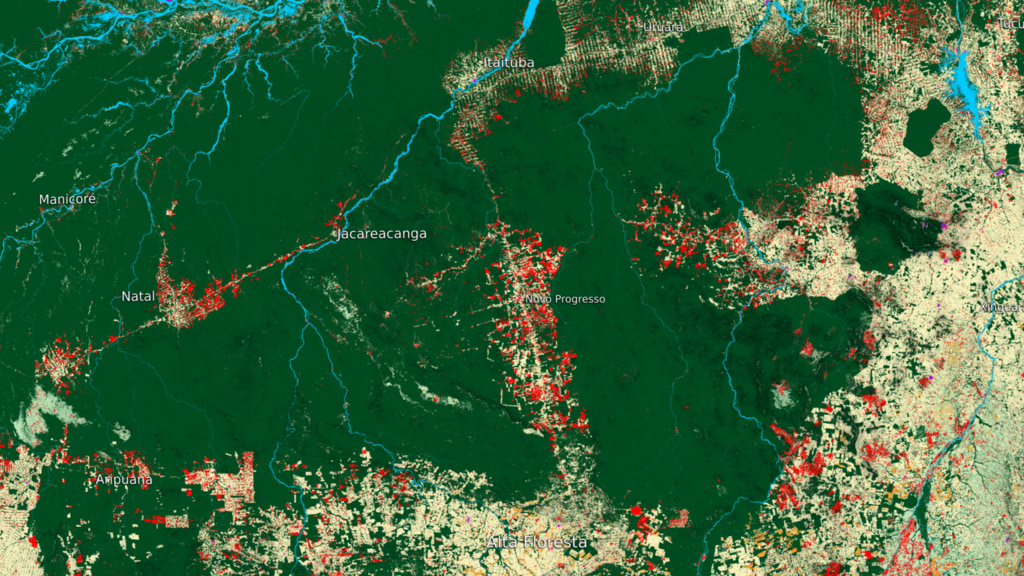
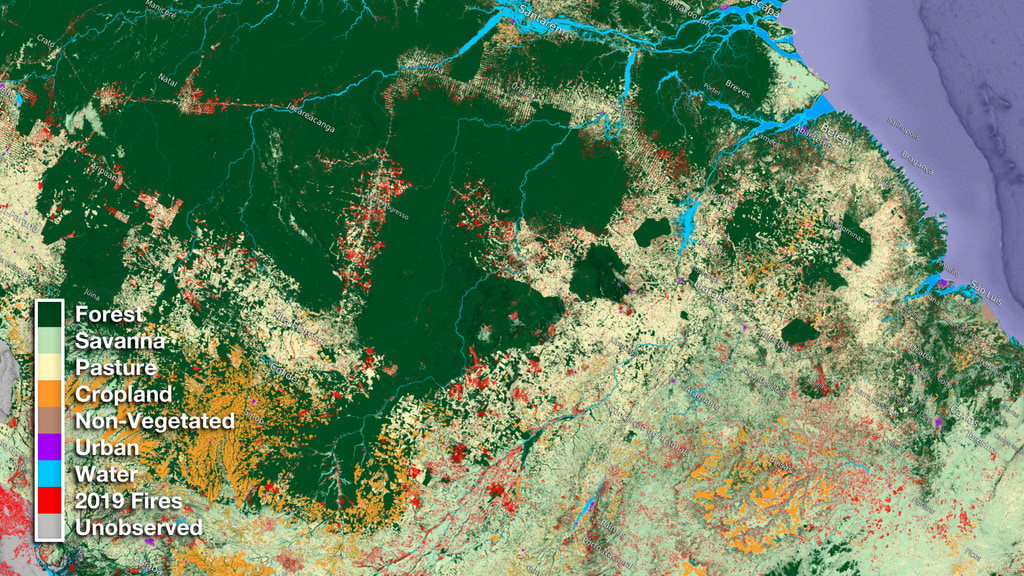
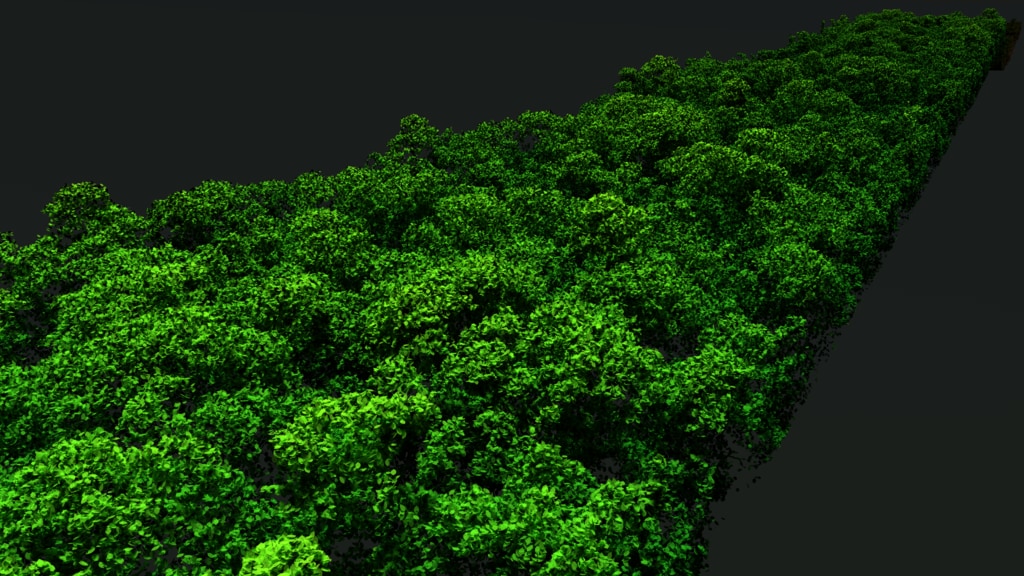
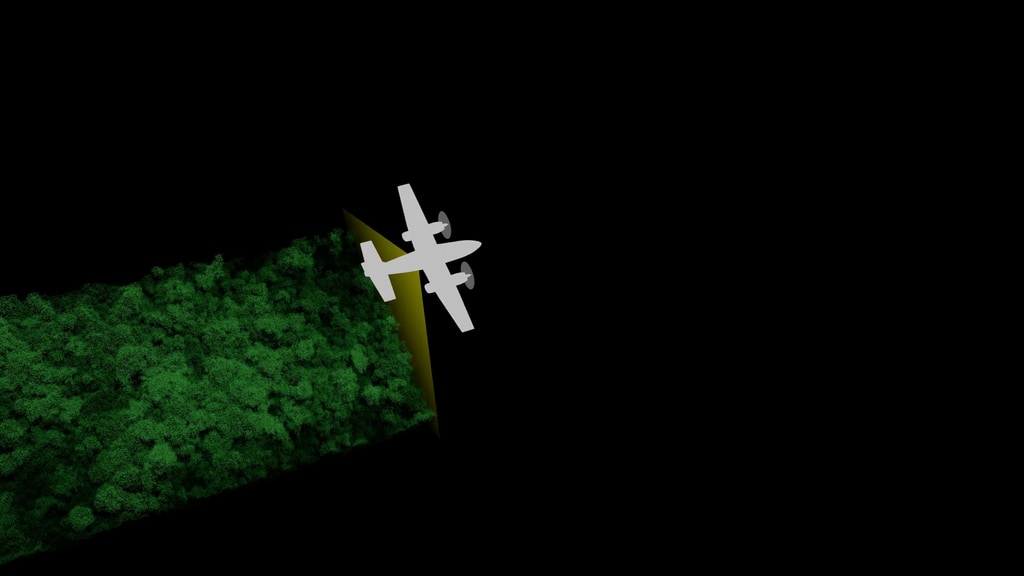
From space, parts of the Amazon rainforest that have previously been logged or burned may look lush and green, like a place buzzing with activity and full of sounds. But inside the rainforest the animal life may tell a different story, of a harsh environment and a quieter soundscape. Scientists from NASA’s Goddard Space Flight Center in Greenbelt, Maryland, and the University of Maryland recorded sounds within diverse regions of the affected Amazon rainforest to better understand how the acoustics of a forest can be a cost-effective indicator of its health.
Media provided by Danielle Rappaport.
Credits
Please give credit for this item to:
NASA's Scientific Visualization Studio
-
Producer
- Kathleen Gaeta (Advocates in Manpower Management, Inc.)
-
Scientists
- Danielle Rappaport (Conservation 4.0)
-
Doug C. Morton
(NASA/GSFC)

-
Writer
- Erica McNamee (Telophase Corp)
Series
This page can be found in the following series:Related
- ID: 4827
- ID: 4828
 Visualization
 - ID: 4833
 Visualization
 - ID: 13694
![The Amazon is the largest tropical rainforest in the world, nearly as big as the continental United States. But every year, less of that forest is still standing. Today's deforestation across the Amazon frontier is tractors and bulldozers clearing large swaths to make room for industrial-scale cattle ranching and crops. Landsat satellite data is used to map land cover in Brazil with a historical perspective, going back to 1984.Music: Organic Circuit by Richard Birkin [PRS]; Into the Atmosphere by Sam Joseph Delves [PRS]; Ethereal Journey by Noé Bailleux [SACEM]; Wildfires by Magnum Opus [ASCAP]; Letter For Tomorrow by Anthony d’Amario [SACEM].Complete transcript available.Watch this video on the NASA Goddard YouTube channel.](/vis/a010000/a013600/a013694/Amazon_clearing_poster.jpg) Produced Video
Produced Video - ID: 12398
 Produced Video
 - ID: 12982
 Produced Video
 - ID: 11300
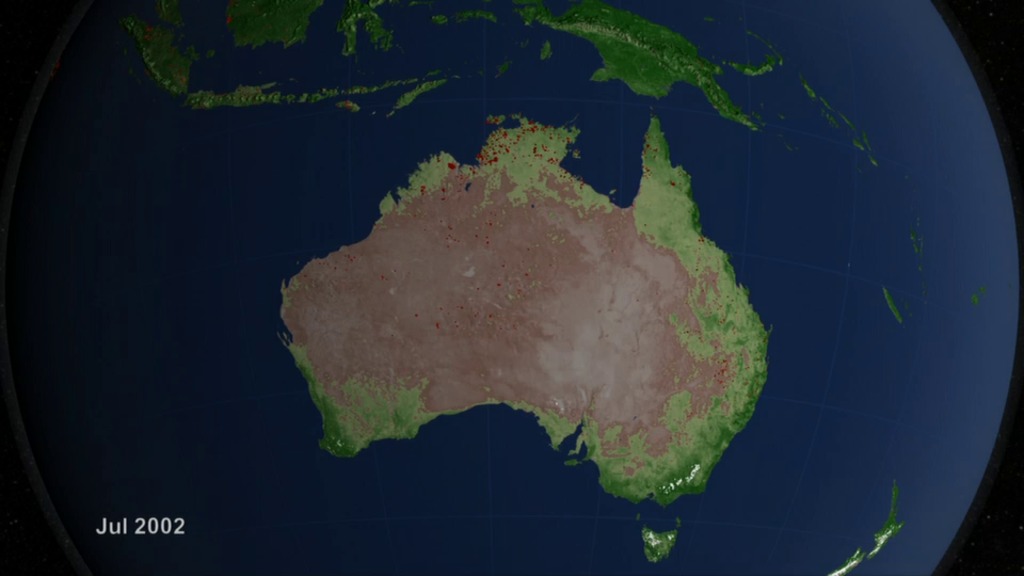
- ID: 2407
 Visualization
Release date
This page was originally published on Thursday, August 11, 2022.
This page was last updated on Wednesday, May 3, 2023 at 11:44 AM EDT.